


Smart Studio
Smart Studio

Lens Effect 3D
Lens Effect 3D

Optic Studio
Optic Studio
What is a Tear Film Analyzer Device and how does it improve Dry Eye diagnosis?
March 5, 2026
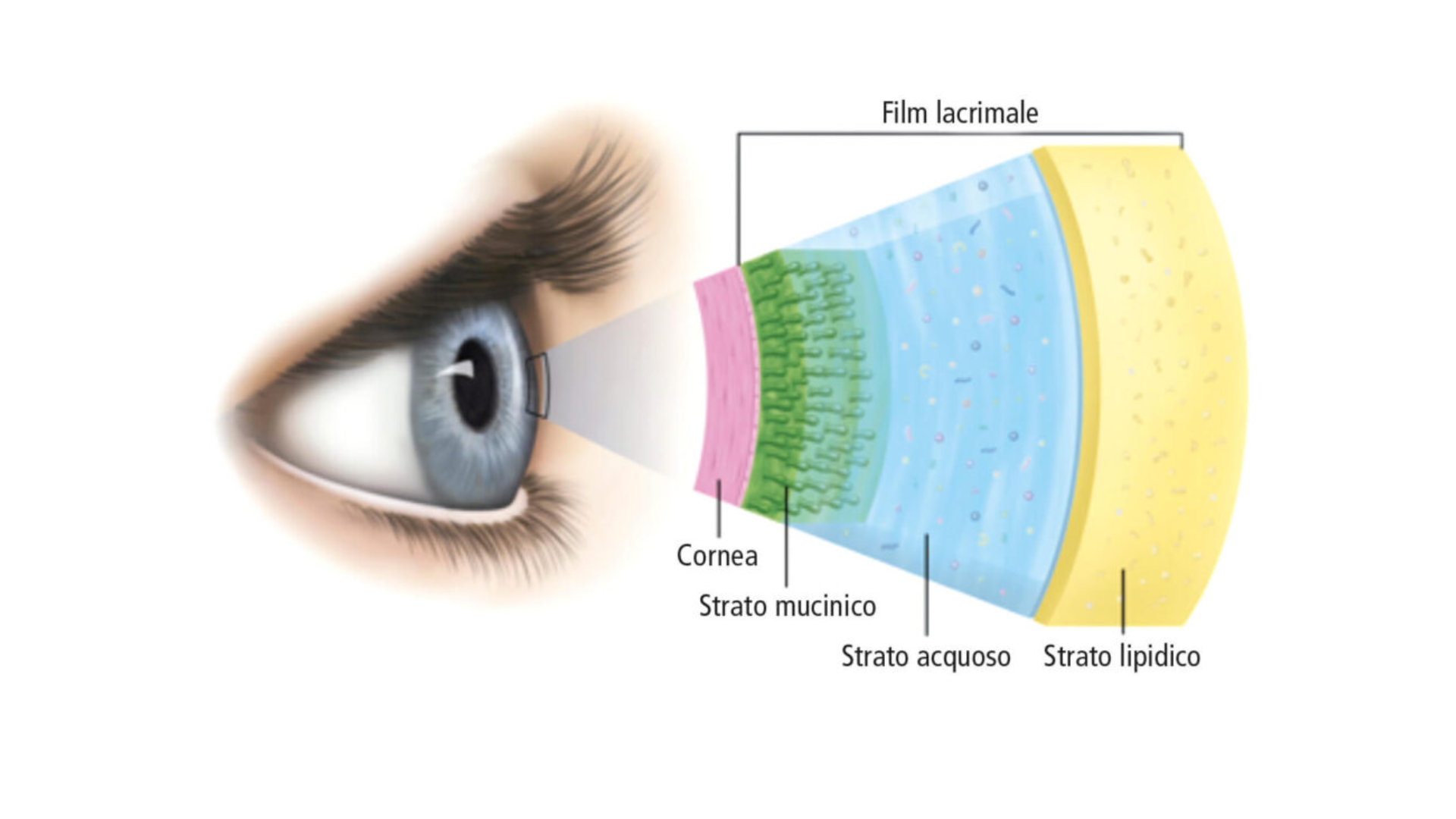
Dry eye disease (DED) is one of the most common yet underdiagnosed conditions in ophthalmic practice. Traditional
diagnostic approaches often rely on subjective evaluation methods, leading to variability in diagnosis and
inconsistent treatment outcomes.
A tear film analyzer device represents a major evolution in dry eye diagnostics, enabling objective, non-invasive
tear film analysis and comprehensive ocular surface assessment.
For modern ophthalmology clinics and distributors evaluating advanced ophthalmic diagnostic equipment, understanding
how this technology works — and why it matters — is essential.
What is a Tear Film Analyzer Device?
A tear film analyzer device is an integrated ocular surface analyzer designed to evaluate both the structure and
function of the tear film.
Unlike traditional dye-based tests, these systems provide quantitative and reproducible data through:
- Non-Invasive Tear Break-Up Time (NIBUT)
- Lipid Layer Thickness measurement
- Infrared meibography imaging
- Tear meniscus height evaluation
- Blink dynamics analysis
A complete example of this integrated approach is the IDRA X platform, developed by SBM Sistemi.
The IDRA X combines multiple
diagnostic modules in a single workstation, allowing clinicians to perform a full dry eye assessment without
invasive procedures.
Why traditional Dry Eye testing is no longer enough
Conventional tests such as:
- Fluorescein Tear Break-Up Time
- Schirmer test
- Slit-lamp observation
remain widely used but present several limitations:
- High subjectivity
- Low repeatability
- Invasiveness
- Limited patient comfort
Modern dry eye management requires objective dry eye diagnostic devices capable of delivering measurable parameters
that can be tracked over time.
A tear film analyzer device transforms diagnosis from symptom-based evaluation to data-driven clinical
decision-making.
Key technologies inside a Tear Film Analyzer Device
Non-Invasive Tear Break-Up Time (NIBUT)
NIBUT measures tear film stability without dye instillation, preserving physiological conditions and improving reproducibility. This is particularly important in evaporative dry eye assessment.
Lipid layer interferometry
Interferometry evaluates lipid layer thickness by analyzing interference patterns. This is essential for diagnosing
Meibomian Gland Dysfunction (MGD), one of the leading causes of evaporative dry eye.
When combined with therapeutic technologies such as Activa, the diagnostic pathway becomes even more structured.
Learn more about Activa here.
Activa provides targeted MGD treatment, making objective imaging crucial for pre- and post-treatment evaluation.
Infrared meibography
Infrared imaging allows visualization of meibomian gland morphology and dropout. Early gland loss detection significantly improves treatment timing and outcomes.
Tear volume and blink analysis
Advanced tear film analyzers also assess tear meniscus height and blink frequency, providing a more complete understanding of ocular surface dynamics.
Clinical benefits for ophthalmologists and optometrists
Adopting a tear film analyzer device provides several clinical advantages:
- Improved diagnostic accuracy
- Standardized patient evaluation
- Early detection of MGD
- Objective monitoring of treatment efficacy
- Enhanced patient education through visual reports
By integrating diagnostic data with therapeutic solutions such as Activa, clinics can build a complete dry eye pathway, from screening to treatment.
Economic and strategic benefits for clinics
Beyond clinical precision, advanced tear film analyzers create strategic value:
- Differentiation in competitive markets
- Increased patient confidence
- Higher treatment acceptance rates
- Structured dry eye service protocols
- Revenue growth through comprehensive dry eye programs
Clinics investing in integrated ocular surface workstations often position themselves as reference centers for dry eye management.
What distributors should look for in a Tear Film Analyzer Device
For distributors evaluating ophthalmic device manufacturers, key elements include:
- CE certification and regulatory compliance
- Imaging resolution and software robustness
- Multi-test integration in a single platform
- Training and after-sales support
- Manufacturing reliability
SBM Sistemi, with decades of experience in ophthalmic device development, represents an established European
manufacturer with a strong focus on innovation and quality control.
You can explore the company’s background and manufacturing expertise
here.
Partnering with a manufacturer that combines R&D capability and international distribution experience ensures
long-term commercial sustainability.
A tear film analyzer device is no longer an optional tool in modern ophthalmic practice — it is a foundational
technology for accurate dry eye diagnosis.
By combining non-invasive tear film analysis, meibography, interferometry, and quantitative reporting, integrated
systems such as IDRA X enable clinicians to deliver precise, reproducible, and clinically efficient care.
For specialists and distributors seeking advanced ocular surface diagnostic solutions, partnering with an
experienced manufacturer such as SBM Sistemi provides both technological innovation and long-term reliability.
Read more
Objective vs subjective meibography: why quantification matters
Dry Eye in dogs and cats: beyond the Schirmer Test
The business case for Dry Eye clinics: revenue opportunities and patient retention
How corneal topography helps detect keratoconus in early stages
Automated Dry Eye diagnosis: how technology improves repeatability and workflow
Corneal Topography and Dry Eye: why both matter before cataract surgery
Tear film layers explained: lipid, aqueous and mucin
How to build a complete Dry Eye diagnostic workflow in your clinic
How to choose a Dry Eye diagnostic device for your practice
Meibomian gland dropout: early detection with advanced imaging
How objective Dry Eye diagnostics increase clinic revenue
Objective Optical Quality Metrics in Modern Ophthalmology
Regulatory Considerations When Importing CE Certified Ophthalmic Devices
Quantitative meibomian gland analysis: from images to objective data
OEM Opportunities in Ophthalmic Diagnostic Equipment
Best non-invasive tests for Dry Eye diagnosis in 2026
Transillumination meibography: clinical applications and advantages
Ocular surface assessment in high-volume clinics: efficiency without compromising accuracy
Beyond dry eye: other ocular surface disorders that impact visual quality
The role of ocular surface inflammation in post-surgical patient dissatisfaction
Ocular surface evaluation in contact lens wearers: what clinicians often miss
Environmental and lifestyle factors that alter tear film stability
Tear Film health in French Bulldogs: what the latest study using OSA-Vet® reveals
Pre-surgical dry eye screening: which parameters really influence outcomes
Optimizing the ocular surface before cataract surgery to improve surgical accuracy and patient outcomes
Dry eye and cataract surgery: managing expectations through objective preoperative evaluation
Evidence-based guidelines for cataract surgery: improving outcomes through standardized clinical practice
Meibomian gland dysfunction: why early detection changes long-term patient outcomes
Meibography and MGD: from gland imaging to clinical decision making
Non-invasive tear film assessment: clinical advantages over fluorescein-based methods
Tear film analysis explained: LLT, NIBUT and tear meniscus in clinical practice
Why traditional dry eye tests are not enough: limits of Schirmer and TBUT in modern practice
Dry eye diagnosis today: why ocular surface analysis is no longer optional

Attention: The information on this page is intended exclusively for qualified healthcare professionals.


